
reflective glass colors
The Revolution in Construction Embracing Plastic Rebar Supports In the ever-evolving world of construction, innovative materials and techniques are constantly reshaping the industry. One such game-changer is the introduction of plastic rebar supports, an eco-friendly and cost-effective alternative to traditional steel rebars. This technological advancement not only offers improved durability but also paves the way for sustainable building practices. Plastic rebar, also known as polymer reinforced concrete (PRC), is a cutting-edge material that has been gaining traction due to its numerous benefits. Made primarily from high-density polyethylene (HDPE) or recycled plastic, it is designed to mimic the shape and function of conventional steel rebars. However, unlike steel, plastic rebar does not corrode, making it particularly suitable for marine or corrosive environments where rust can compromise the integrity of structures over time. The resistance to corrosion is just one of the many advantages of plastic rebar. It is also lighter in weight, reducing handling and transportation costs, and easing the installation process. This can lead to significant time savings on construction sites, thereby boosting productivity. Moreover, its non-conductive nature enhances safety, as it eliminates the risk of electrical accidents that can occur with metal rebars. Furthermore, plastic rebar supports have excellent thermal stability, which can help mitigate temperature-induced stress on structures. They also exhibit superior impact resistance and flexibility, allowing them to withstand earthquakes and other natural disasters better than their steel counterparts They also exhibit superior impact resistance and flexibility, allowing them to withstand earthquakes and other natural disasters better than their steel counterparts They also exhibit superior impact resistance and flexibility, allowing them to withstand earthquakes and other natural disasters better than their steel counterparts They also exhibit superior impact resistance and flexibility, allowing them to withstand earthquakes and other natural disasters better than their steel counterparts plastic rebar supports . In addition, the use of recycled plastics in their manufacture contributes to waste reduction and environmental sustainability. However, the adoption of plastic rebar is not without challenges. While it has shown comparable strength to steel in some tests, more extensive research is needed to fully understand its long-term performance under various load conditions. Additionally, the initial cost of plastic rebar is often higher than steel, although the reduced maintenance and longevity can offset this in the long run. Despite these hurdles, the potential of plastic rebar in revolutionizing construction is undeniable. As the industry continues to prioritize green solutions and sustainable practices, plastic rebar supports are likely to play a pivotal role. With ongoing advancements in material science, we can expect further improvements in the properties and applications of this innovative material, ultimately leading to more durable, efficient, and environmentally responsible construction projects. In conclusion, plastic rebar supports represent a promising shift towards a more sustainable future in construction. As we strive for a balance between progress and environmental preservation, embracing such alternatives becomes essential. The journey may be challenging, but the rewards – in terms of enhanced structural integrity, reduced carbon footprint, and increased efficiency – are well worth the effort.
about
reflective glass colors
Understanding the Price of 80mm Butterfly Valves Butterfly valves are widely used in various industries for controlling the flow of fluids. They are particularly favored for their simple design, low resistance to flow, and ease of operation. An 80mm butterfly valve is a common size used in several applications, including water supply systems, chemical processing, and HVAC systems. In this article, we will explore the various factors influencing the price of 80mm butterfly valves and provide insights into what you can expect if you are considering purchasing one. Key Factors Influencing Price 1. Material Composition The material used in the construction of butterfly valves can significantly affect their price. Common materials include stainless steel, carbon steel, and PVC. Stainless steel valves tend to be more expensive due to their corrosion resistance and durability. For applications where the fluid can be corrosive, investing in a stainless steel valve may be more cost-effective in the long run despite the higher initial cost. 2. Type of Actuation Butterfly valves can be manually operated or automated. Manual valves are usually less expensive than those with automated actuation systems, such as electric or pneumatic actuators. If you need an automated solution for efficiency or remote operation, the added cost for the actuator will impact the overall price. Understanding the Price of 80mm Butterfly Valves 4. Brand and Manufacturer Well-known brands with a reputation for quality and reliability typically charge more for their products. However, choosing a reputable manufacturer is often advisable, especially in critical systems where a valve failure could lead to significant risks or costs. 80mm butterfly valve price 5. Market Demand and Supply Like any commodity, the price of butterfly valves can fluctuate based on market demand and supply dynamics. Pricing can vary significantly across different regions; if there’s high demand in a particular area, prices may rise accordingly. Conversely, during times of low demand, competitive pricing can lead to lower costs. 6. Additional Features Some butterfly valves come with additional features that can enhance their functionality, such as built-in sensors for monitoring flow or pressure. These advanced features may push the price higher, but they can also provide valuable insights that can help in operational efficiency. Cost Range As for the price range of 80mm butterfly valves, you can generally expect to pay anywhere from $50 to $300 depending on the aforementioned factors. Manual PVC butterfly valves are often on the lower end of the spectrum, while stainless steel models with automated actuators may reach or exceed the upper range. Conclusion When considering purchasing an 80mm butterfly valve, it is essential to take into account not just the initial purchase price, but also the long-term operational costs. Factors such as maintenance, potential failures, and replacement costs should all be considered when calculating the total cost of ownership. In summary, while the basic market price for an 80mm butterfly valve can vary widely, understanding the influencing factors can help you make an informed purchasing decision. It's advisable to evaluate your specific needs carefully, compare options, and consult with suppliers to ensure that you find the best valve for your application at a price that suits your budget. Whether for industrial use, commercial installations, or home applications, selecting the right butterfly valve plays a critical role in the efficiency and safety of fluid management systems.
-

High quality industrial productsagement

High quality industrial products
View Details -

Meet the diverse needs of customers

Meet the diverse needs of customers
View Details -

Strict quality control

Strict quality control
View Details -

Top raw materials

Top raw materials
View Details -

Trusted supplier

Trusted supplier
View Details
Our application


news and information
Zinc Coated Half Saddle Pipe Clamp for Secure and Reliable Pipe Mounting Solutions
Understanding Zinc-Plated Half Saddle Pipe Clamps A Comprehensive Overview In various industrial and

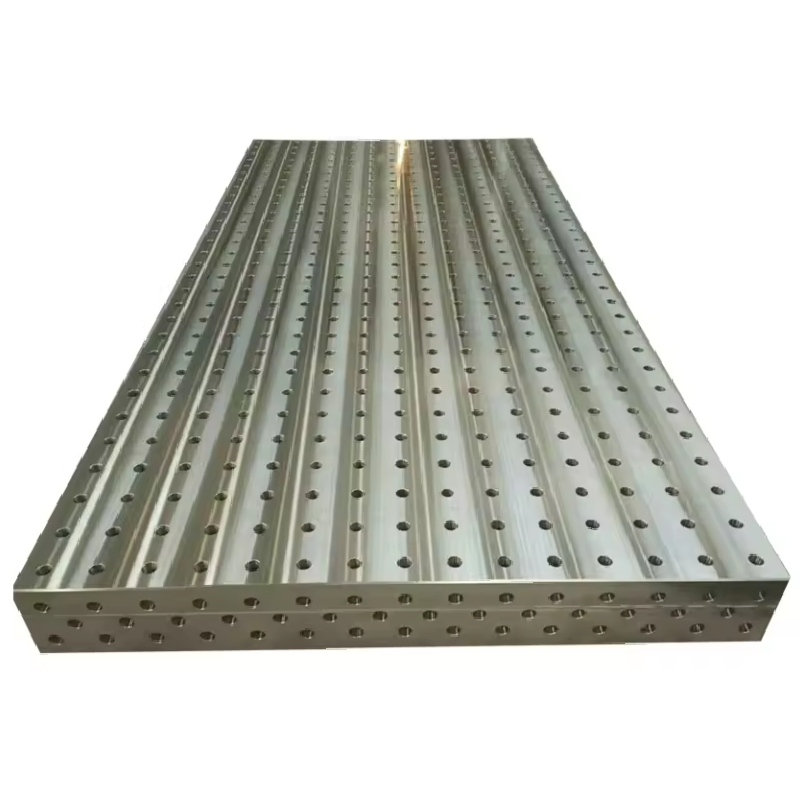
Versatile Welding Table for Efficient Workbench Solutions
The Importance of Welding Tables in Workshop Design Welding is an essential skill in various industr

Válvula de puerta de 3 cuchillos
La válvula de compuerta de cuchilla al 3% es un componente esencial en muchos sistemas industriales
 English